Go Deeper Into
Your Voice

Explore What Shapes Your Voice
from the body and nervous system

to the patterns behind how you express yourself

For examinations, auditions, performances, and ambitious goals.

For personal growth, expression, and the pleasure of developing your voice.

For persistent or recurring voice difficulties that need a closer look.

For practical communication, performance and wellbeing programmes for teams and professionals.

Why Vocalogy?

Because your voice is more than a sound.

At Vocalogy, we don’t begin by asking only, “What should we change about the voice?”

We ask:

What is happening with the person producing it?

Your voice is shaped by physiology, coordination, breath, attention, habits, experience and environment. These factors can change how your voice functions—and how accessible your vocal abilities are from one situation to another.

That is why we look beyond the sound itself.

Functional voicework, with the whole person in view

Our foundation is functional voicework: practical, evidence-informed voice training that works with how the voice actually functions.

We combine this with somatic awareness and complementary perspectives drawn from neuroscience, performance, psychology and Asian wellbeing traditions.

These aren’t treated as one system or as explanations for everything.

Each gives us a different lens through which to understand the person behind the voice.

Recognition before correction

We believe that lasting change begins with understanding what is actually happening.

Instead of automatically correcting a symptom, we help you recognise patterns in your voice, body, breath and responses to different situations.

Recognition → Understanding → Choice

When you understand a pattern, you have more options for responding to it.

Sometimes the answer is better vocal coordination.

Sometimes it is a different way of preparing.

Sometimes the most appropriate next step is rest, medical assessment or referral to another professional.

Knowing the difference matters.

Expertise without the one-size-fits-all solution

Vocalogy was founded by Grace Ng, a voice coach, author and practitioner who has spent more than 17 years working with singers, performers and voice-dependent professionals.

Our work is grounded in rigorous voice training while recognising that no single method can explain every person or every vocal problem.

Technique matters. Context matters too.

And when they are considered together, voice training can become more precise, more responsive and more meaningful.

See what makes Vocalogy different

Explore our approach through our 5 Foundational Videos—starting with the question at the heart of everything we do:

What if understanding the person changes how we understand the voice?

Her work is guided by a simple question:
What is happening with the person behind the voice?

Meet Grace

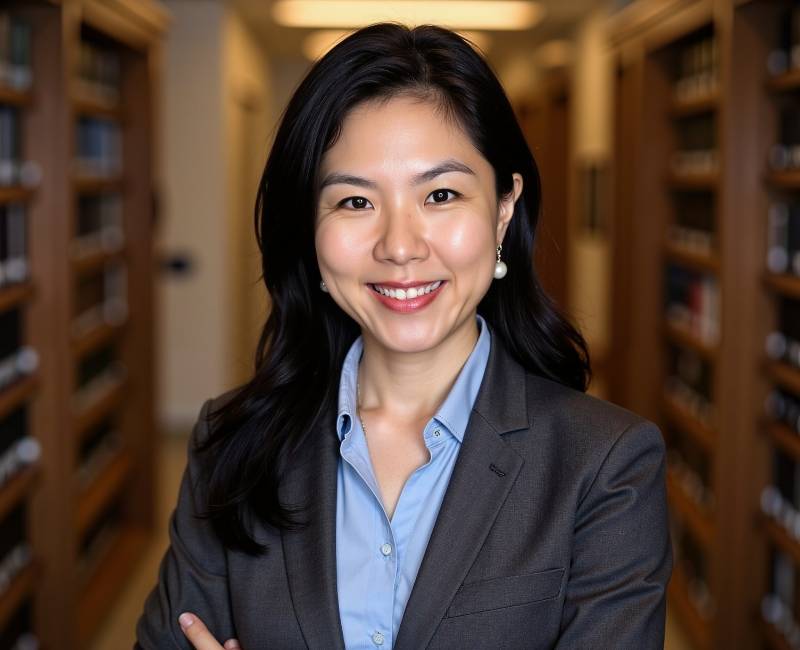
Grace Ng Ee Wern is the Founder of Vocalogy, a voice coach, author and multidisciplinary practitioner who has spent more than 17 years exploring what happens when we look beyond the sound to the person producing it.

A trained lawyer from the National University of Singapore, Grace’s work began in voice education and has expanded into functional voicework, somatic practice, neuroscience, performance, clinical hypnotherapy and Asian wellbeing traditions.

She is the developer of Jin Shin Voice® and NeuroVoice®, approaches that reflect Vocalogy’s belief that voice training can be both technically rigorous and responsive to the whole person.

Our Team

Vocalogy began with Grace Ng’s exploration of the relationship between voice, body and the human experience. Today, that exploration is growing into a community of teachers and specialist practitioners.
Alongside Grace, Vocalogy works with carefully selected instructors who bring their own areas of expertise to our teaching and workshops—from pop vocal training and Sing & Play to Mandopop and other specialist areas.
Some began as Vocalogy students themselves. Their journey from student to teacher reflects something we value deeply: expertise is not only something we teach; it is something we nurture.
As Vocalogy grows, we remain committed to bringing together people who are knowledgeable, curious and generous in their teaching.

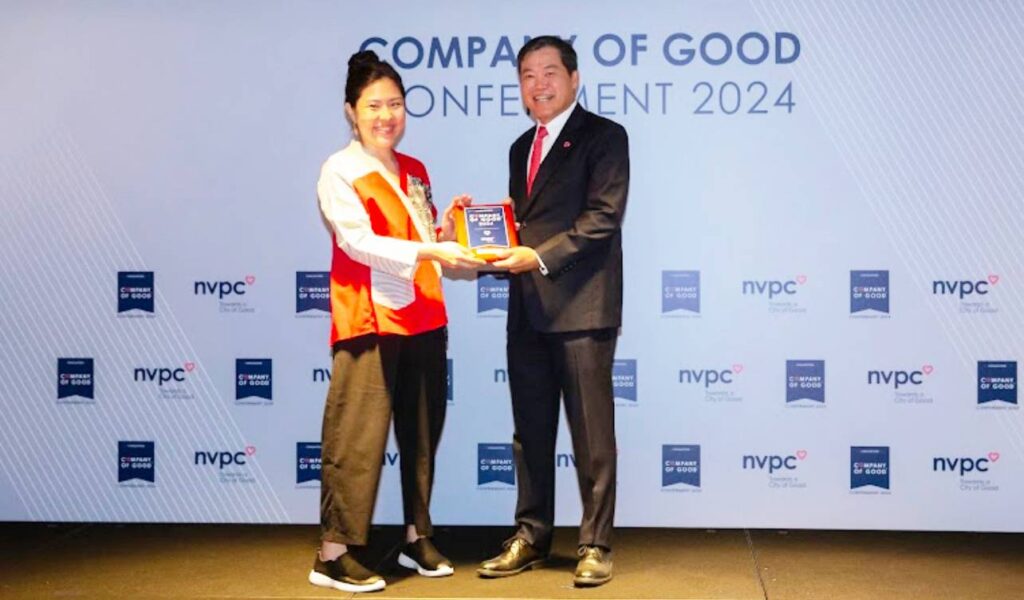
As Featured In

Company of Good
— 2024 & 2026

Different Voices. Different Goals.

People come to Vocalogy for different reasons.
Some are working towards ambitious goals. Some want to explore what their voice can become. Others come because something isn’t working and they are looking for a different way forward.

“From age 8 to 18, Grace laid the foundation for my vocal journey. Thanks to her, I’m now studying at Berklee. Her nurturing approach blends technique and well-being—each class left me more confident, connected, and motivated.”

Shravana Karthikeyan

“Grace teaches voice in a holistic context. Her techniques have helped me manage stress, anxiety, and even work challenges. The breathing and Jin Shin Energy Healing tools are now part of my daily wellness.”

Samantha Leong

“I came to Grace after developing throat issues from improper vocal training. Under her guidance, I healed and rediscovered my voice. Her holistic approach goes far beyond singing—it addresses physical and emotional blocks with deep care.”

Poovaneswari Suppiah

Different starting points. Different journeys.

One approach that begins with the person.

A Place to Practice Being Heard

Learning doesn’t end in the lesson room.

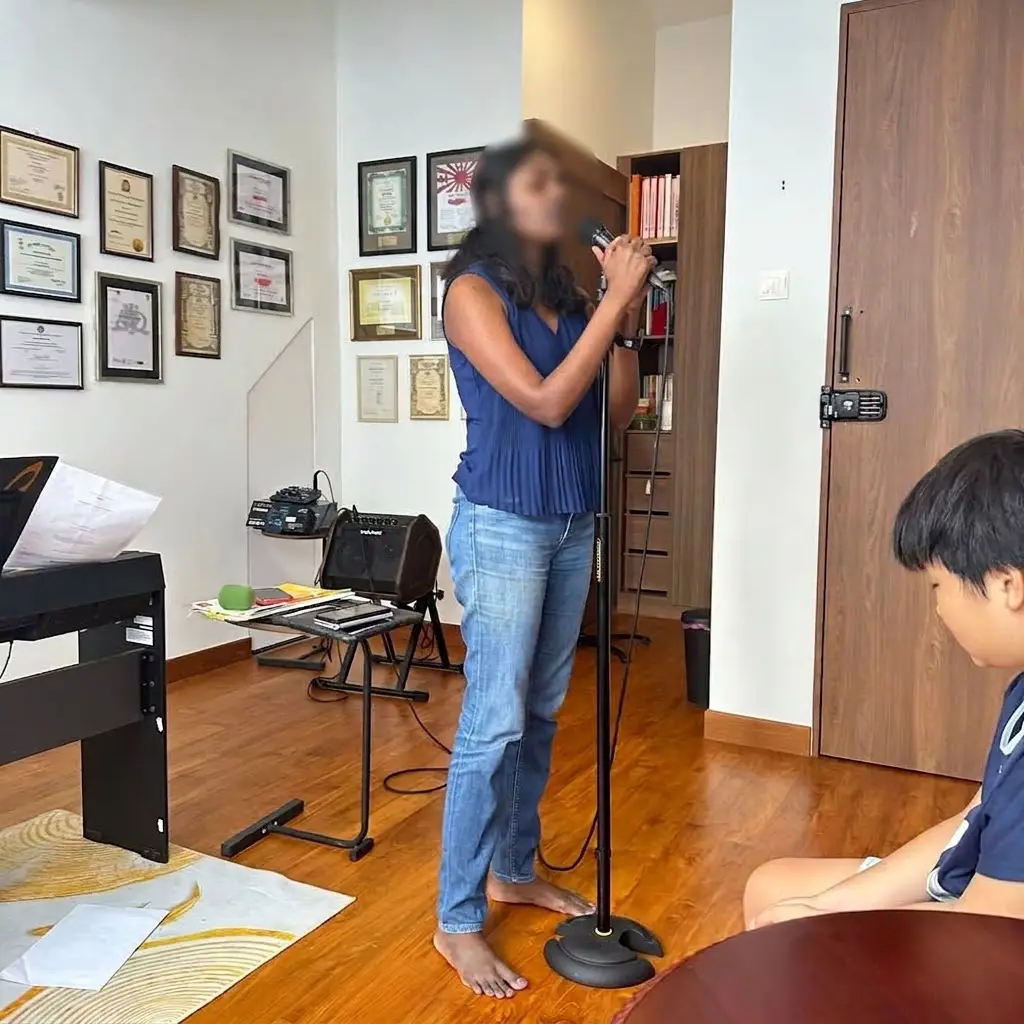
Every four months, Vocalogy students are invited to take part in our Performance Practice — an informal, supportive space to share what they have been working on.

It isn’t an examination or a competition.

It is a chance to try something, experience performing in front of others, learn from the experience and celebrate one another’s progress.

For some students, it is their first time singing for an audience. For others, it is an opportunity to practise performing with greater confidence, freedom or artistic intention.

And for all of us, it is one of the ways Vocalogy becomes more than a place to take lessons.

Taking Performance Beyond the Studio

Performance can be about more than proving what you can do. It can also be about what you give to the people listening.

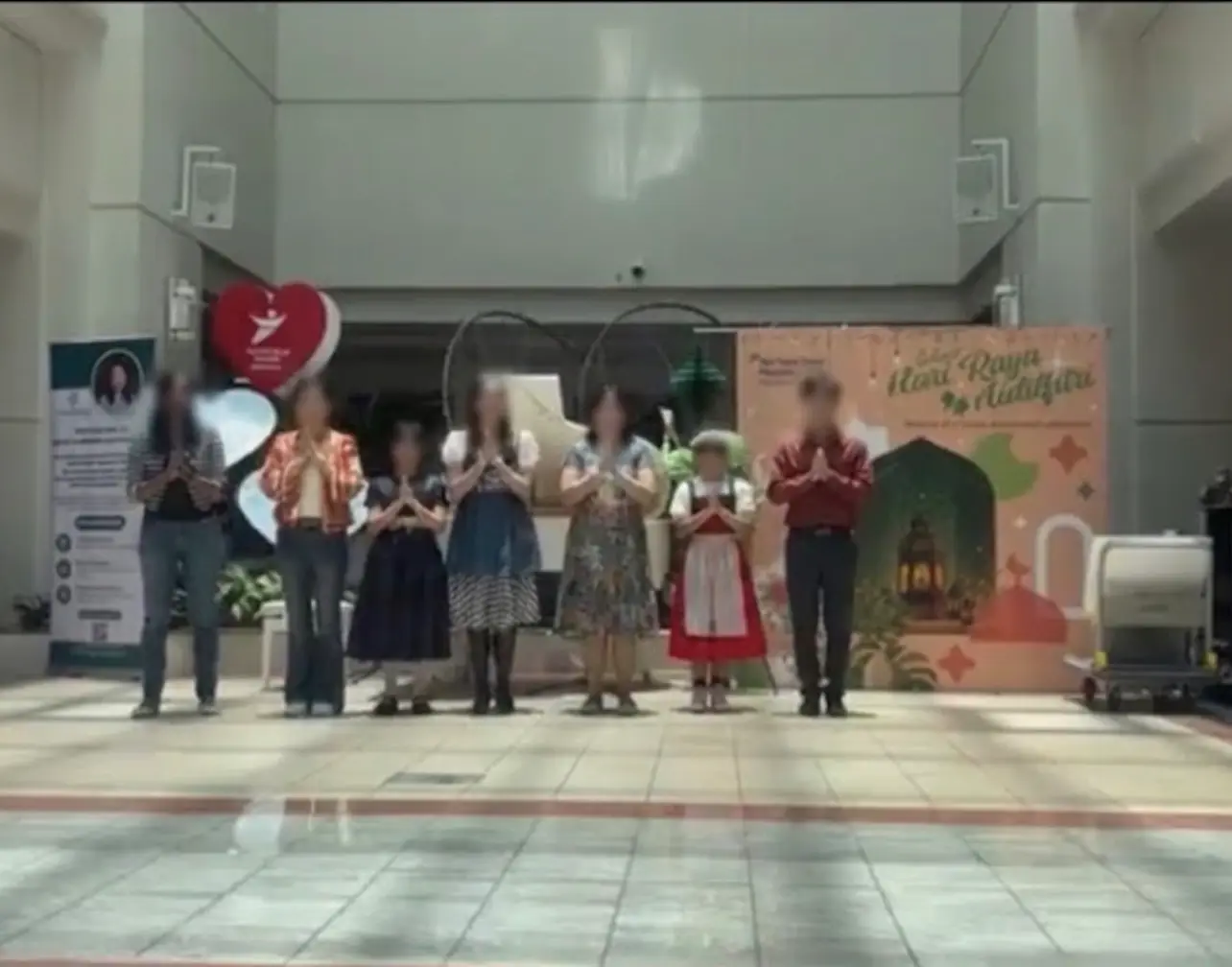
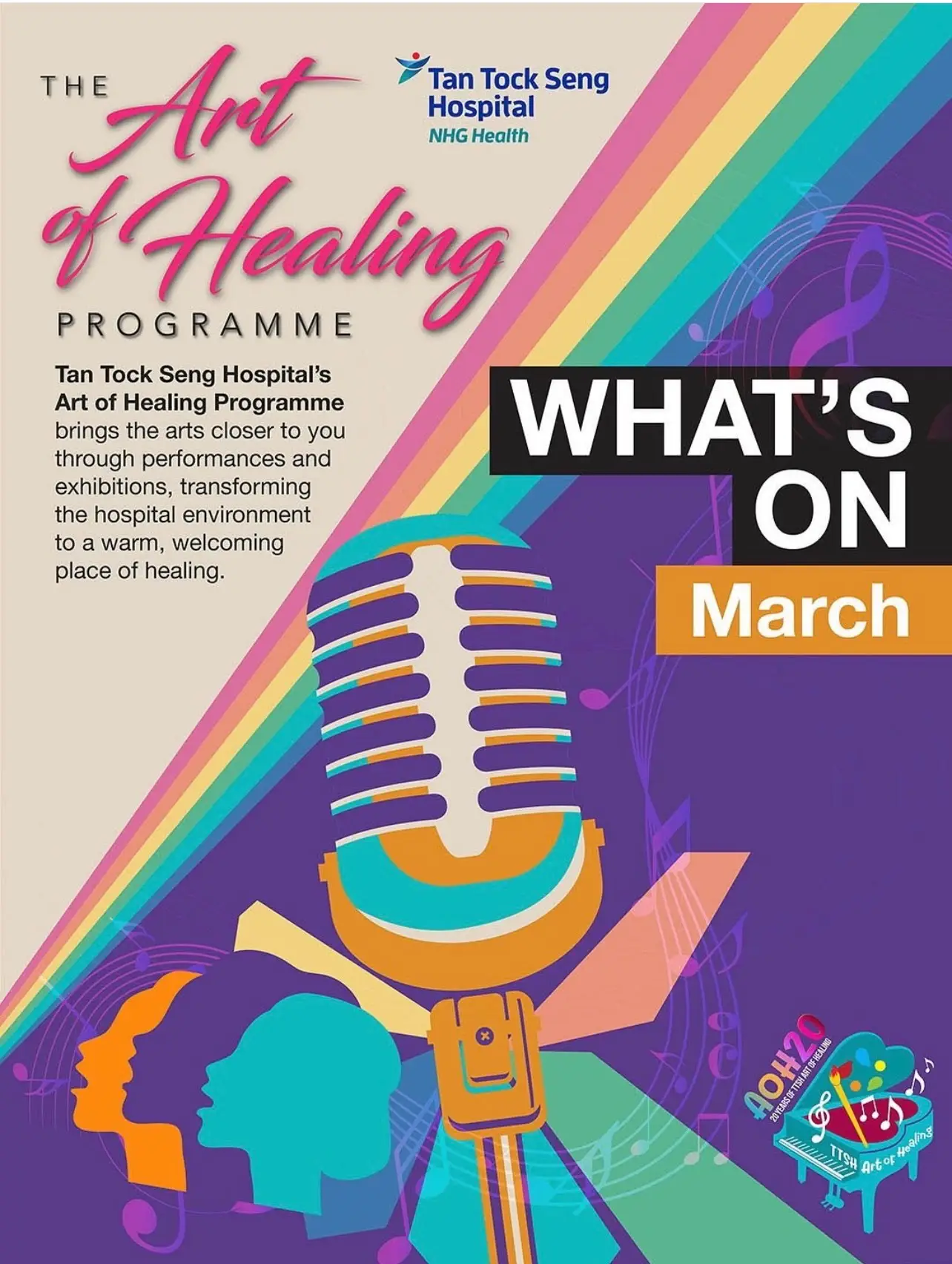
In 2026, Vocalogy students took their music beyond the studio, performing at Tan Tock Seng Hospital as part of its Art of Healing series and at National University Hospital as part of its atrium performances.

These experiences give students a different reason to perform. The question shifts from:

“Can I perform well?”

to:

“Can I communicate something meaningful to the people listening?”

It is another step in learning to become a performer—moving from developing skills to performing in front of others to using those skills to contribute to the wider community.

What Brings You to Vocalogy?

Whether you’re working towards an important goal, exploring your voice for yourself, trying to understand a problem that keeps returning, or looking for a programme for your organisation, there is a place to begin.

Choose the pathway that best describes what you need.

your Vision of Success

Imagine knowing what your voice needs — and knowing how to respond when circumstances change.

You walk into an audition knowing how to prepare your voice and body.

You sit an examination without spending the whole time worrying about whether your voice will hold up.

You step onto a stage with greater awareness of how pressure affects your breathing, tension and sound.

You teach, present or work professionally without constantly monitoring what your voice is doing.

And when something changes, you don’t immediately assume something is wrong. You know how to pause, notice, adjust and seek the right support.

Success isn’t having a perfect voice.

It’s having a voice you understand, a body you can listen to, and more choice in how you show up when it matters.

That’s the kind of transformation our clients describe in their own words.

Is This You?

You may be in the right place if:

    • Your voice works differently when the stakes are high. You sound and feel one way in a lesson or at home, then something changes during an audition, examination, performance or important conversation.

    • You keep working on the same vocal problems. You practise the exercises, but tension, fatigue, breath changes or vocal instability keep returning — and you’re curious about what might be happening underneath.

    • Your voice is part of your livelihood. You sing, teach, present, perform or speak professionally, and you need a voice you can rely on because your work depends on it.

    • You want more than another technique. You want to understand how your voice, body, nervous system, experiences and environment interact — and learn how to work with that knowledge.

    • You’re preparing for something that matters. An audition, examination, performance, presentation or career opportunity is coming up, and you want to arrive prepared rather than simply hoping your voice cooperates.

    • You are curious about yourself as a voice user. You want to understand why you sound, breathe, tense or express yourself differently in different situations — and what becomes possible when you notice those patterns.

The Transformation

Vocalogy helps you understand what is shaping your voice — from technique and the body to your nervous system, experience and environment — so you can respond with greater awareness and choice.

Instead of constantly wondering why your voice changes, you learn how to recognise the pattern, work with it and prepare for the moments that matter.

The goal isn’t a perfect voice. It’s a voice you understand, a body you can listen to, and greater confidence in how you show up

TESTIMONIALS

Grace’s holistic vocal training gave me more than technique—it deepened my mind-body awareness. In just a short time, she helped me progress from no singing experience to Grade 8 in Musical Theatre.

Andrew Ng

I came to Grace after developing throat issues from improper vocal training. Under her guidance, I healed and rediscovered my voice. Her holistic approach goes far beyond singing—it addresses physical and emotional blocks with deep care.

Poovaneswari Suppiah

From age 8 to 18, Grace laid the foundation for my vocal journey. Thanks to her, I’m now studying at Berklee. Her nurturing approach blends technique and well-being—each class left me more confident, connected, and motivated.

Shravana Karthikeyan

Grace has supported me since I was 15. Her ability to adapt methods to my physical and emotional needs—including scoliosis—has made a lasting impact. Her blend of healing and voice work is deeply intuitive.

Angelica T

Grace’s methods work beyond the voice—they reach deep into the nervous system.

Amelia Yeo

Grace teaches voice in a holistic context. Her techniques have helped me manage stress, anxiety, and even work challenges. The breathing and Jin Shin Energy Healing tools are now part of my daily wellness.

Samantha Leong

3 Benefits You’ll Experience with Vocalogy

1. Know What’s Really Affecting Your Voice

Go beyond exercises and symptoms to understand the patterns beneath your tension, breath, sound, and performance.

2. Have a Voice You Can Rely On

Prepare your voice to meet the moments that matter — auditions, examinations, performances, teaching, presentations and professional work.

3. Build a Voice That Can Last

Reclaim your energy, reduce burnout, and boost vitality—so you stay relevant, powerful, and unforgettable on stage and off.

You know what your voice is capable of. But sometimes, when it matters most, it doesn't cooperate.

You sound different on stage than you do in the studio. Your voice feels free one day and tight the next. An audition, examination, presentation, difficult conversation, or important performance can change your breath, tension, focus, or sound—even when you know exactly what you're supposed to do.

So you practice more. You try another exercise. You work harder.

But what if the problem isn't simply your technique?

Your voice is shaped by more than technique. Your body, nervous system, habits, experiences, and the demands of the moment all influence what becomes possible.

Why This Matters

Because your voice isn’t just something you use. For many people, it’s how you study, perform, work, earn a living and connect with others.

When your voice becomes unpredictable under pressure, the consequences go beyond a difficult lesson.

An audition can become harder than it needs to be. An examination can feel like a test of your voice rather than your preparation. A performer can start avoiding opportunities. A professional voice user can worry about whether their voice will hold up through another demanding day.

And when the same patterns keep returning, you can spend years trying to fix individual symptoms without understanding what is driving them.

You shouldn’t have to build your life around managing a voice you don’t fully understand

Explore perspectives on how the body, mind and traditional practices can influence how we prepare, perform and recover.

Performance Is More Than Technique

With Vocalogy, you learn to understand what is shaping your voice — so you can meet important moments with greater choice, reliability and ease.

Say goodbye to…
Instead, You’ll Be:

Your Game Plan for Success

You don’t need another exercise to add to the pile. You need to understand what is happening underneath your voice—and learn how to work with it.

Vocalogy takes you from awareness to application through four connected areas of practice:

Module 1 — Understand Your Nervous System

Discover how pressure, attention, expectation and your surroundings can change breath, tension and vocal response — so you can understand why your voice may behave differently when the stakes are high.

Module 2 — Notice What Your Body Is Doing

Learn to recognise the physical patterns that accompany your voice. Jin Shin Jyutsu and somatic awareness offer ways to pause, listen and work with what your body is already telling you.

Module 3 — Integrate It Into Your Voice

Bring that awareness into practical voicework. Develop technique while paying attention to the person using it — so you can make more informed choices about breath, coordination, resonance, expression and effort.

Module 4 — Sustain Your Vocal Progress

Put the pieces together for the situations that matter: auditions, examinations, performances, teaching, presentations and professional work. Build a more reliable relationship with your voice, so that your voice can support your work instead of becoming something you have to manage around.

Why Vocalogy Is Different from Other Voice Studios

Most voice training begins with the sound: listen, identify the problem, prescribe an exercise. Vocalogy begins there too — but we don’t stop there.

We look deeper to understand the person using the voice: the technique, body, nervous system, experience, environment and meaning that can shape how a voice responds.

01

We Look Into Other Factors Besides Vocal Technique, That May Be Affecting the Voice

When your voice changes under pressure, we don't automatically assume you need another exercise. We look at what else may be happening — your breathing, tension, attention, nervous-system state, habits and the situation you're in — so you can understand the pattern rather than simply fight the symptom.

02

We Connect Different Disciplines For A Holistic Understanding Of What's Affecting Your Voice

Vocalogy brings functional voicework into conversation with neuroscience, somatic awareness, Jin Shin Jyutsu and reflective practice. Each discipline offers a different way of noticing. Together, they help us see more of the person behind the vocal pattern — without pretending that one method explains everything.

03

We Turn Recognition Into Choice

Understanding alone isn't enough. We bring what you notice back into practical voicework, so you can test, adjust and develop new responses in the situations that matter: auditions, examinations, performances, teaching, presentations and professional work. The difference isn't that we use more techniques. It's that we ask better questions about what your voice is telling us.

A Safe Space to
Practise Being Heard

Learning doesn’t end in the lesson room.

Every four months, Vocalogy students are invited to take part in our Performance Practice—an informal, supportive space to share what they have been working on.

It isn’t an examination or a competition.

It is a chance to try something, experience performing in front of others, learn from the experience, and celebrate one another’s progress.

For some students, it is their first time singing for an audience. For others, it is an opportunity to practice performing with greater confidence, freedom, or artistic intention.

And for all of us, it is one of the ways Vocalogy becomes more than a place to take lessons.

Frequently Asked Questions( FAQ )

Vocalogy includes practical voice training, but it goes beyond traditional voice lessons. We work with your voice while also exploring the body, nervous system, habits, attention and circumstances that can affect how your voice responds. The goal is not to replace technique, but to help you understand what is happening underneath it and work with your voice more effectively.

No. You may come because you have a specific vocal difficulty, but you may also want to understand your voice more deeply, prepare for an audition or examination, develop as a performer, or use your voice professionally. Vocalogy is for people who want to understand and work with their voice, not simply correct something that is “wrong.”

This is one of the situations Vocalogy is particularly interested in. Your voice can respond differently when you’re being watched, evaluated, performing, auditioning or speaking in an important situation. We explore what changes in those conditions and help you develop greater awareness and choice in how you respond.

Both, but they are used thoughtfully rather than treated as interchangeable. Vocalogy draws from functional voicework, neuroscience, somatic awareness, Jin Shin Jyutsu and reflective practice. Each offers a different way of noticing the person and the vocal pattern. One discipline is not presented as an explanation for everything.

No. Jin Shin Jyutsu is used within Vocalogy as a practice of gentle observation, body awareness and self-care. It does not replace medical assessment, diagnosis or treatment. Where a vocal, physical or medical concern requires clinical attention, appropriate professional support remains important.

Vocalogy is for people whose voices matter to what they do. This includes singers and performers, students preparing for examinations or auditions, teachers and professional voice users, as well as people who are simply curious about the relationship between voice, body, nervous system and expression.

The goal isn’t to give you another collection of exercises to remember. You will develop a clearer understanding of how your voice responds to different conditions, recognise patterns earlier, and make more informed choices about how you prepare, practise, perform and use your voice. The aim is greater agency—not a promise of a perfect voice.

Explore Jin Shin Voice® More Deeply

Harmony Is in Your Hands is Grace Ng’s practical introduction to bringing Jin Shin Jyutsu® into the experience of singing.

Through simple self-help practices, reflection and vocal exploration, the book invites you to notice the relationships between touch, breath, attention, bodily experience and voice.

Rather than prescribing a single way to sing, it encourages the same kind of curiosity that lies at the heart of Jin Shin Voice®:

What changes when you pause, notice and experience the voice differently?

For singers who would like to explore these ideas in their own time, Harmony Is in Your Hands offers a gentle place to begin.

Portrait of a smiling woman with long dark hair, wearing a sleeveless top, arms crossed. Text above reads 'Harmony is in Your Hands - Transform Your Voice & Well-Being With Jin Shin Voice®'. The name 'Grace Ng Ee Wern' appears at the bottom.

ONe Last Question

What might change if you understood your voice differently?

Perhaps you’d prepare for an audition with more awareness of what your body and nervous system need.

Perhaps you’d walk into an examination or performance with a clearer sense of how to work with pressure.

Perhaps you’d stop endlessly correcting the same vocal patterns and start asking better questions about what is happening underneath them.

Or perhaps your voice is simply important enough to your work and your life that you want to understand it more deeply.

You don’t need to become a different person.

You don’t need a perfect voice.

You can start by becoming more curious about the voice you already have.

If that sounds like the kind of work you’ve been looking for, Vocalogy is here to help you explore it.

Get started with us today

Book an initial consultation to assess your current skill level and create a customized lesson plan. Sessions are available in-person and online to fit your schedule.

Curious how Vocalogy can help you use your voice with greater confidence?
Follow us on social media

disclaimer

The information provided on this website is intended for educational and informational purposes only. It is not a substitute for professional medical advice, diagnosis, or treatment. Vocalogy does not claim to treat or cure any medical or psychological conditions. Please consult a licensed healthcare provider for guidance tailored to your specific needs. Participation in any course, session, or practice offered by Vocalogy is voluntary and should be undertaken with self-awareness and discretion.

"All her techniques have been useful in my daily life and work."

Samanatha L., civil servant


Sign up for our free newsletter.
(Please email us if you would like us to send you our newsletter in another language besides English.)

.